
“Because knowing their body means protecting their life.”
Plain-language health wisdom for Shih Tzu owners, breeders, and groomers — from brachycephalic breathing to liver shunts, explained like a trusted neighbor.
Trusted by 2,400+ Shih Tzu families · No spam, no pressure
The Porch Board
Pinned here because they answer the questions owners search at 3am — and the ones they didn't know to ask.
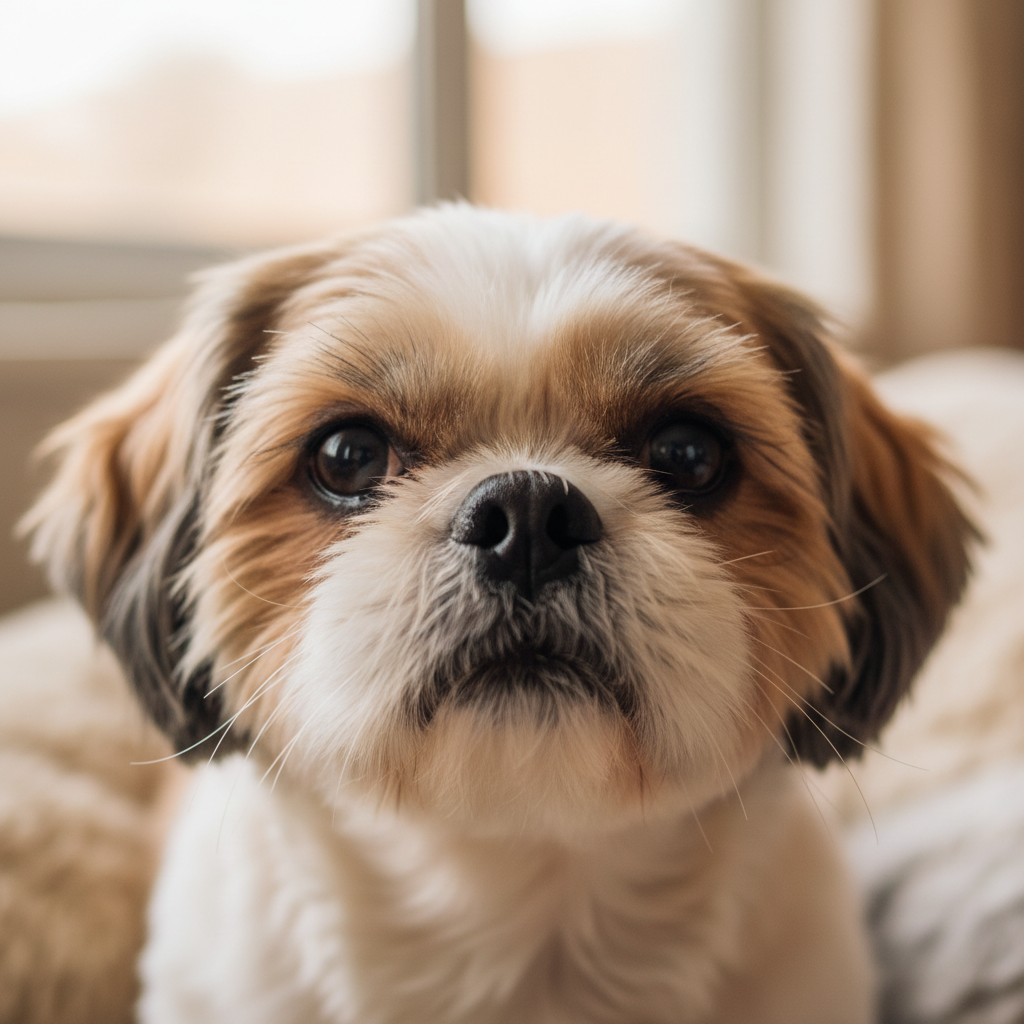
The Brachycephalic Truth: What Your Vet Means by "Grade 2 Stenotic Nares"
Most owners hear the words and nod politely. Here's what's actually happening in that flattened airway, and the four surgical decisions you'll face before age two.
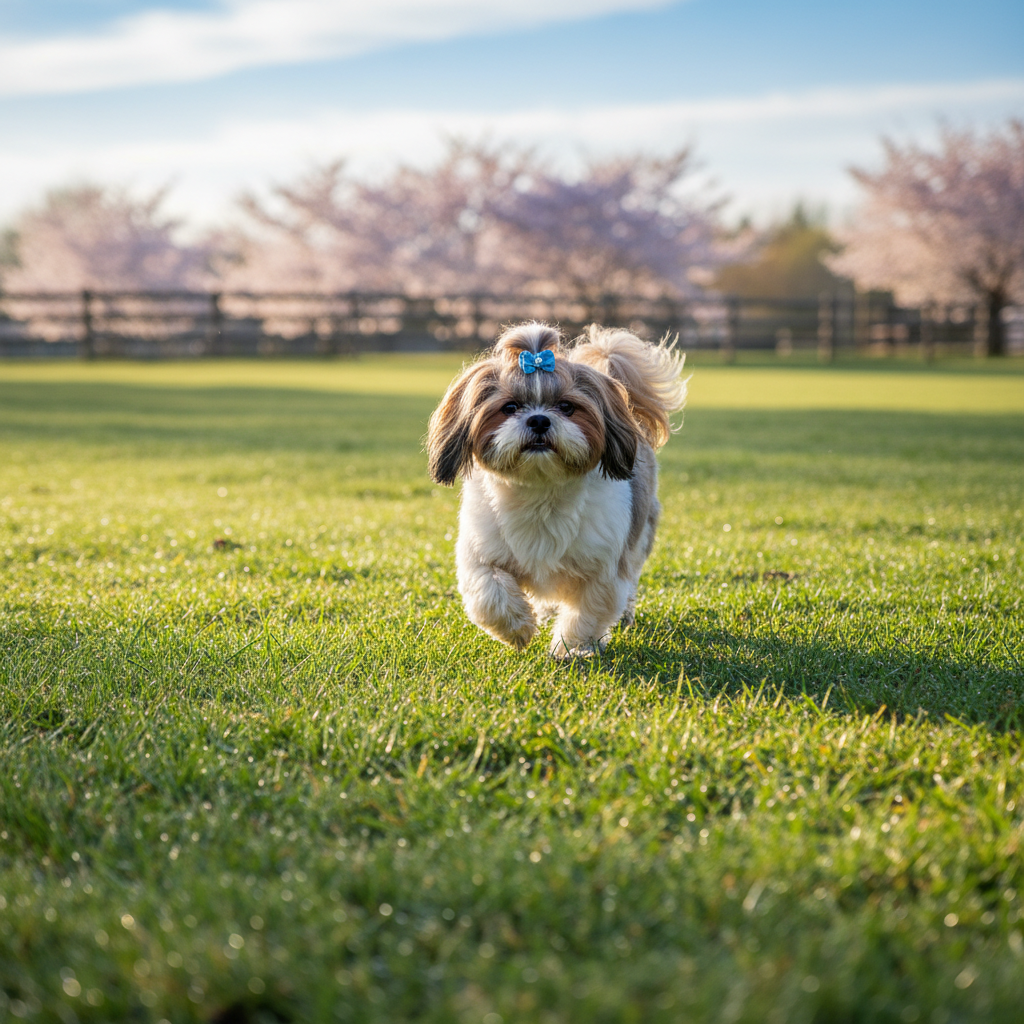
Luxating Patella Grades Explained: When to Watch, When to Operate
A Grade 1 patella rarely needs surgery. A Grade 4 almost always does. The grades in between are where breeders and owners make the decisions that shape a dog's middle years.
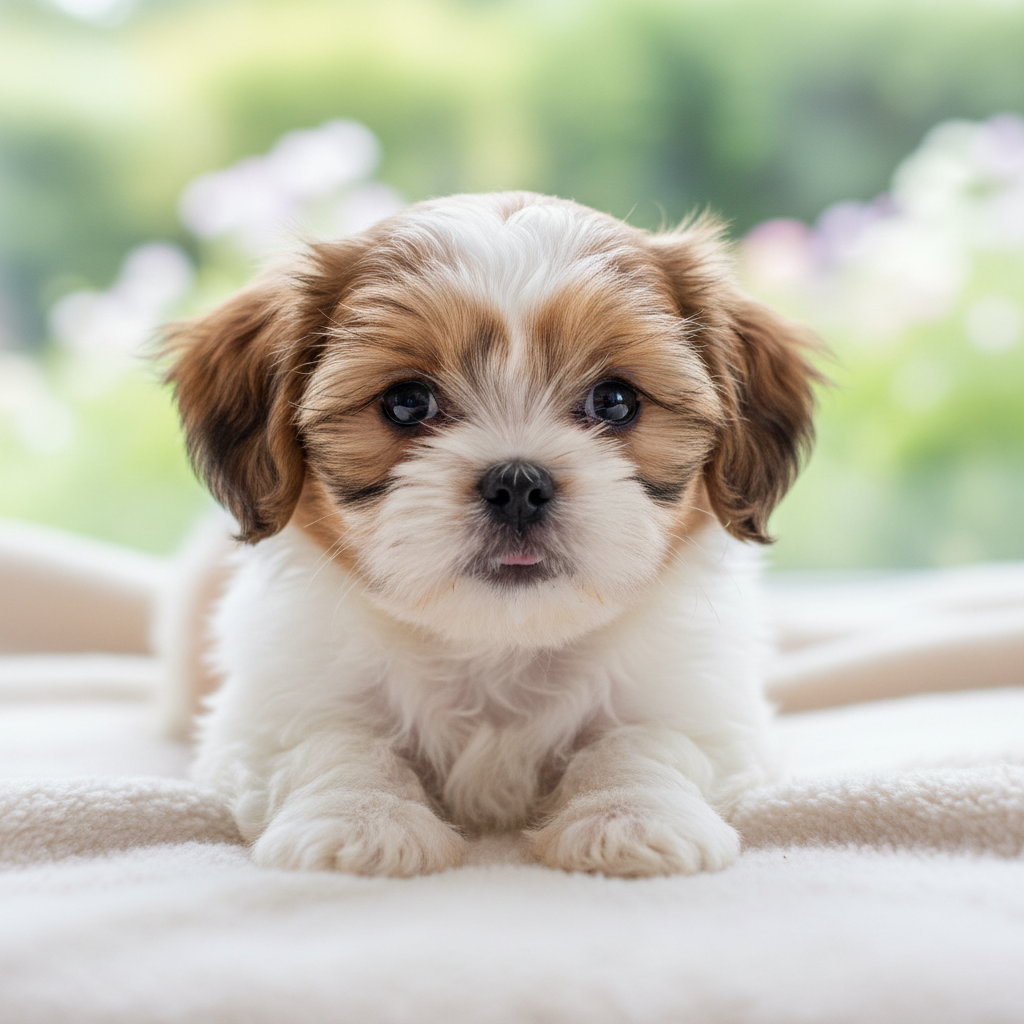
Liver Shunts: The Hereditary Risk No Shih Tzu Buyer's Contract Mentions
Portosystemic shunts are the breed's quiet inheritance. A puppy can look perfectly healthy at eight weeks and start showing signs at six months. Here's what to test for, and when.
From the neighborhood
Biscuit started making this honking sound at 11pm on a Tuesday. I found Hearth's reverse sneezing guide at 2am and finally understood it wasn't a seizure. The breathing section alone changed how I talk to my vet.
Marguerite Okonkwo
Atlanta, GA
The Genetics Pamphlet
Fold it open. The hereditary conditions every Shih Tzu owner should understand before they need to.
Coat Color Inheritance
Shih Tzu coat genetics follow an epistatic model — multiple loci interact. Common ≠ dominant; rare ≠ recessive.
Gold
Common
White
Common
Black
Common
Brindle
Rare
Liver
Rare
Blue
Rare
Gold × White Cross Example
75% gold phenotype · 25% white phenotype · Gold is dominant at this locus
Brachycephalic Obstructive Airway Syndrome
Compressed facial structure affects soft palate, nares, and trachea. Severity varies by breeding selection pressure. COI above 12.5% correlates with increased incidence.
Luxating Patella
Kneecap displacement from femoral groove. Grades 1–4. Bilateral occurrence common in the breed. Early detection via palpation at 8 weeks changes surgical outcomes significantly.
Portosystemic Shunt
Abnormal blood vessel bypasses liver filtration. Intrahepatic and extrahepatic forms. Symptoms may not appear until 6–12 months. Pre-purchase bile acid testing at 8 weeks is the standard.
Progressive Retinal Atrophy
Gradual degeneration of photoreceptors leading to blindness. DNA testing available. Carrier × carrier breeding produces 25% affected offspring. PRCD form most common in breed.
What is COI and why does it matter?
The Coefficient of Inbreeding (COI) measures the probability that two copies of a gene are identical by descent. In Shih Tzus, the breed-average COI is approximately 14–18%. Breeders targeting below 6.25% are actively reducing the expression of recessive health conditions. Ask your breeder for a 10-generation pedigree COI calculation — any reputable program can produce one.
Read the full COI explainerBook a Breed Health Consult
Forty-five minutes, your dog's specific situation, and someone who's seen it before. We'll start with your dog's name.
Free 15-minute intro call · No pressure · Your dog's wellbeing first